
The History of Drumalis

The House and Family:
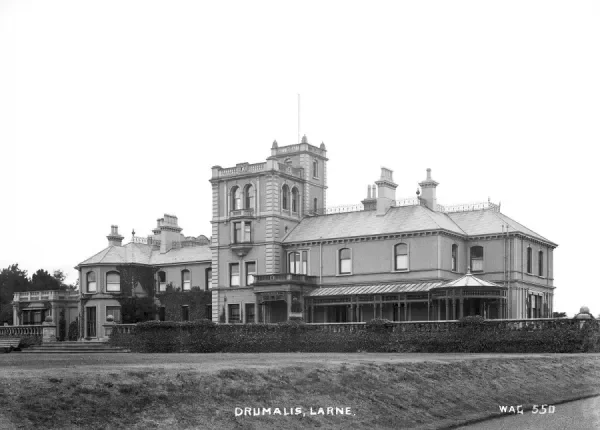
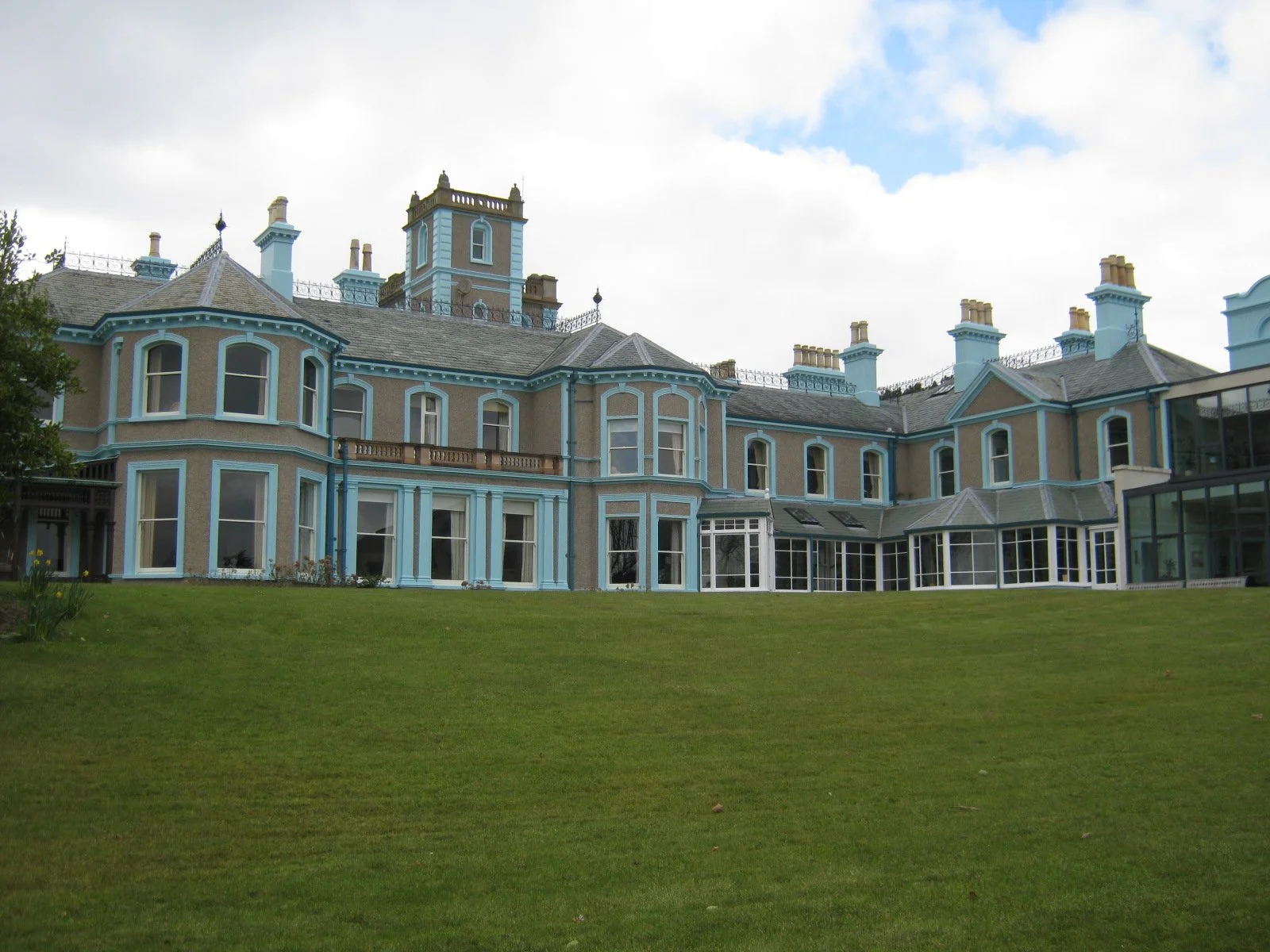
The hill of Drumalis was occupied by a Premonstratensian Friary in the middle ages and passed through various hands after the dissolution of the monasteries. The elegant house, which still stands on the site, was built by Hugh Smiley in 1872 and added to in stages right up to his death in 1909.
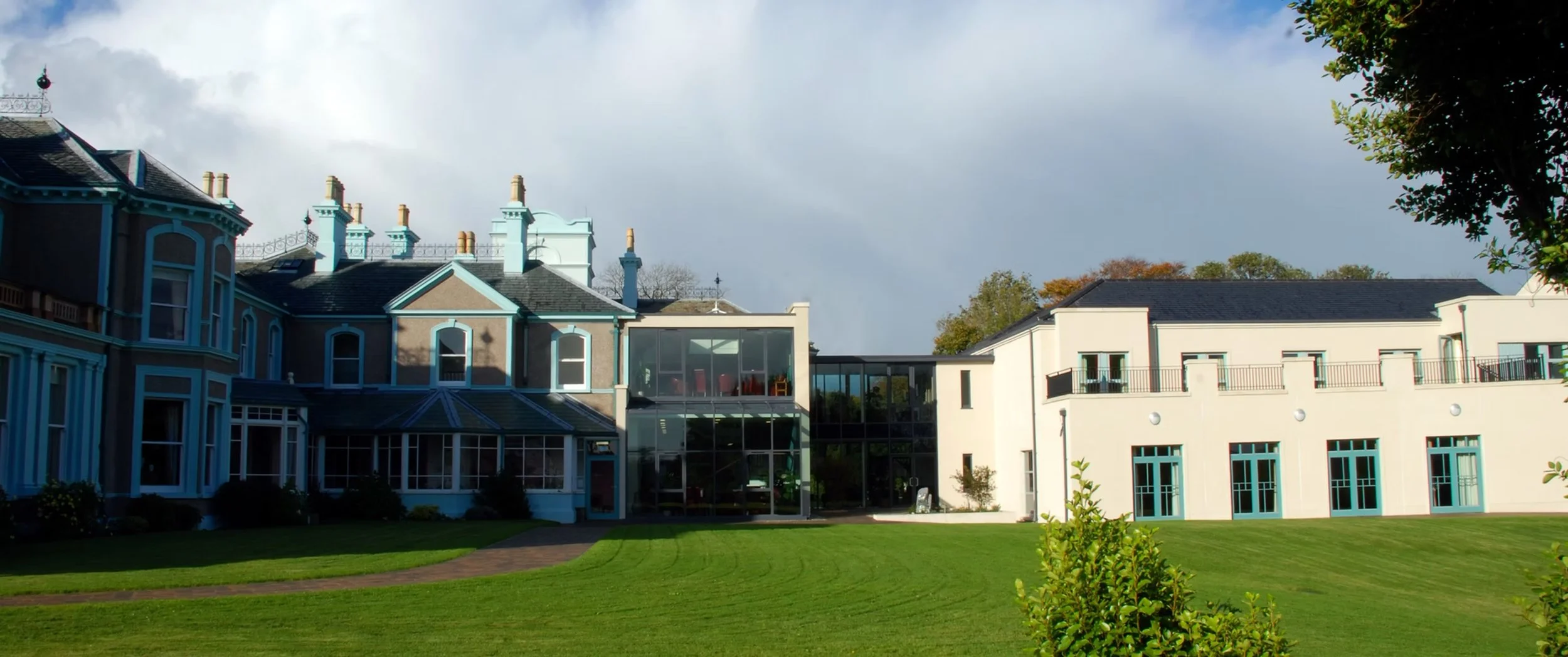
Drumalis was bought by the Sisters of the Cross and Passion in 1930. Initially it catered for the Catholic women of the diocese and eventually for men and women of all faiths. The so-called “60s Building” was opened in 1968 and was replaced by a modern conference and residential facility in 2007-2008, which provides an ideal location for retreats and conferences into the future.

Victorian Gardens & Early Landscape Design
It is presumed that the gardens and grounds were laid out at the same time as the house was built. The gardens are a good example of a late Victorian layout. There are shelter belts of macracarpa trees to protect the site, as it is on a height and exposed to winds and storms coming in from the sea. Renaissance-style balustraded garden walls of artificial stone feature throughout the formal garden area. The west-facing front of the house is dominated by the tower. A bowed section opposite the main entrance opens on to two flights of curved steps leading to the front lawn. The laying of the front lawn is a story in its own right. Local tradition has it that for months the cinders from the many fireplaces in the house were carried out to the front of the house and spread to provide a well-drained foundation for the turf. The turf was said to have been imported from Italy and laid by hand by the fleet of gardeners, many of whom lived on the estate, in the cottages attached to the house. The grass is still soft underfoot, although the sundial that stood in the corner was taken to England by a member of the Smiley family before the house was sold by Lady Smiley in 1927.
A large curved stone seat on this front terrace provides a full view of the front of the house and the balustrading is interspersed with square piers, which in turn are surmounted by large ball finials. This front terrace was originally gravelled and at least one photo survives of carriages at the front door. One can imagine the crunch of the wheels as visitors to the Smiley family came and went in the heyday of the Smiley occupation.
The Grounds of Drumalis
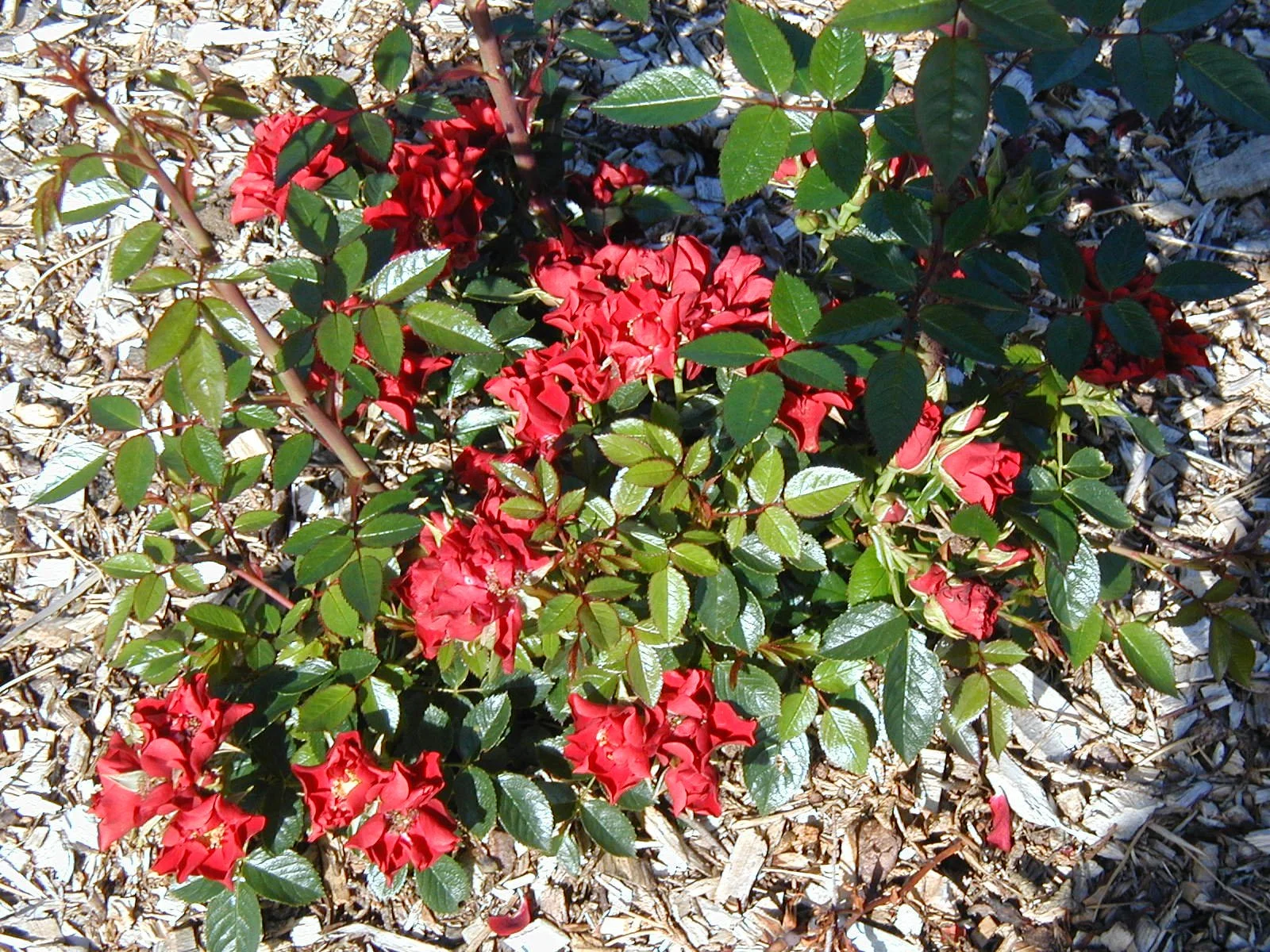
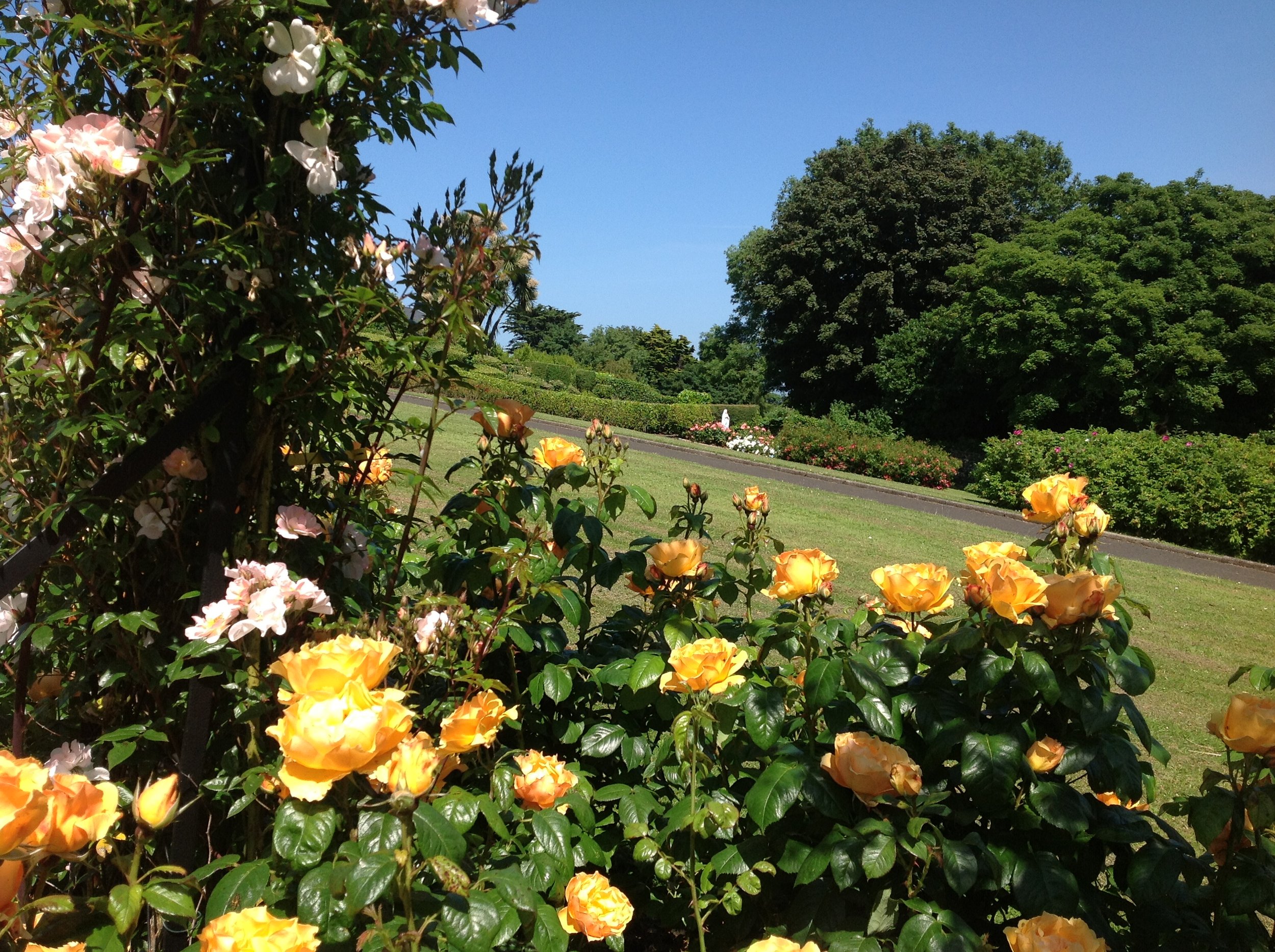

The Rose Garden
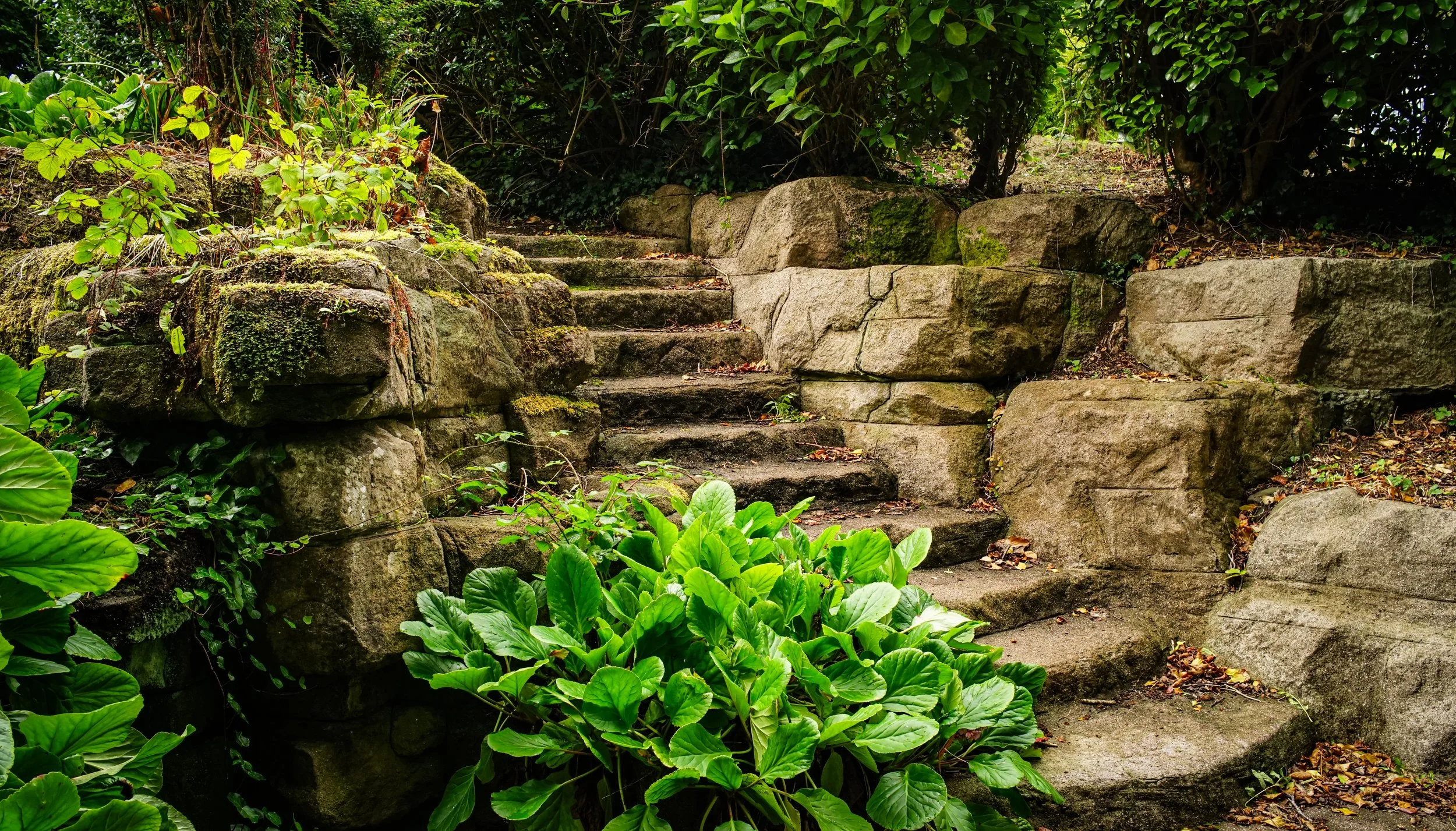
The approach to the Rose Garden from the front of the house is on two levels. Passing through the two piers surmounted with stone vases one descends a flight of steps on to a terrace. To the left is the evidence of a previous rose bed on a slight elevation but this is now grassed over.
On the right is a very interesting symmetrical terrace with a topiary design of clipped yew and four tall yew trees – two Irish and two English.
This area is suggestive of a “parterre” design with its patterned, symmetrical, low-growing evergreen hedging. The parterre originated in the 16th and 17th centuries and became popular again in the Victorian and Edwardian period, and can be found in several big houses in England.
It is possible that the early Drumalis landscaper was trying to create such a feature. Normally the hedge pattern encases a series of ornamental flower beds. But there is no evidence of flower beds at Drumalis. Another feature of the parterre is that it is best viewed from above, a fact which is certainly true of this one at Drumalis. The configuration of this feature is not totally symmetrical nor totally perfect. The trees are irregular in the way they are planted. Tradition has it that this was a deliberate device to remind all that nothing in the created world is absolutely perfect. Perfection in its totality belongs to God alone.
Beyond this terrace in the field is an excellent ancient specimen of a Catalpha Tree – a species native to the West Indies which Sir Hugh Smiley might well have fallen in love with on some of his many travels. For the sake of his health he travelled frequently to Egypt. He had interests in the shipping business and Drumalis grounds, overlooking the Lough were a perfect vantage point from which to view comings and goings at the harbour. Hugh Smiley was also a member of the Zoological Society London and the Ulster Fisheries and Biological Association. Records survive of Garden Parties held on various occasions at Drumalis. The Smiley influence extended widely and it is not surprising that the gardens were kept in perfect condition to facilitate the social life and activities of the entire family circle.


Sir Edward Carson was a frequent visitor to Drumalis. Those were the days when the anti-Home Rule movement was gathering momentum in Ulster and no doubt many political discussions took place amongst influential Protestants under the roof of Drumalis House. In 1914, Drumalis was the centre of plans for the UVF gun smuggling operation organised in April 1914 by Major Frederick Crawford and Captain Wilfrid Spender for the Ulster Unionist Council to equip the Ulster Volunteer Force. The operation involved the smuggling of almost 25,000 rifles and between 3 and 5 million rounds of ammunition from Germany, with the shipments landing in Larne, Donaghadee and Bangor in the early hours between Friday 24 and Saturday 25 April 1914. The Larne gun-running may have been the first time in history that motor vehicles were successfully used on a large scale for a military purpose, and with striking success as a tailback of two and a half miles was witnessed from the main door of Drumalis back towards Belfast. It was stated that half of all the cars in Northern Ireland at that time participated in the distribution of the weaponry.
Elizabeth Smiley carried on the political connection after her husband’s death. A record still exists of the ladies of the East Antrim Nursing Corps of Ulster Volunteers assembling in the front of Drumalis, Lady Smiley having put Drumalis at their disposal. The Drumalis grounds were well placed to facilitate the famous Larne gun running incident in 1912, providing a direct route from the harbour to the towns and villages in Co. Antrim.
For seasonal outdoor celebrations, such as Mayday and midsummer, Drumalis gardens were a gathering place. Later, in the mid-twentieth century, religious processions were held in the months of May and June. This was carrying on a long tradition going back to the 13th century when the local people were said to have assembled on “the hill” for picnics, celebrations and festivities.
Woodland Walks & Natural Habitat
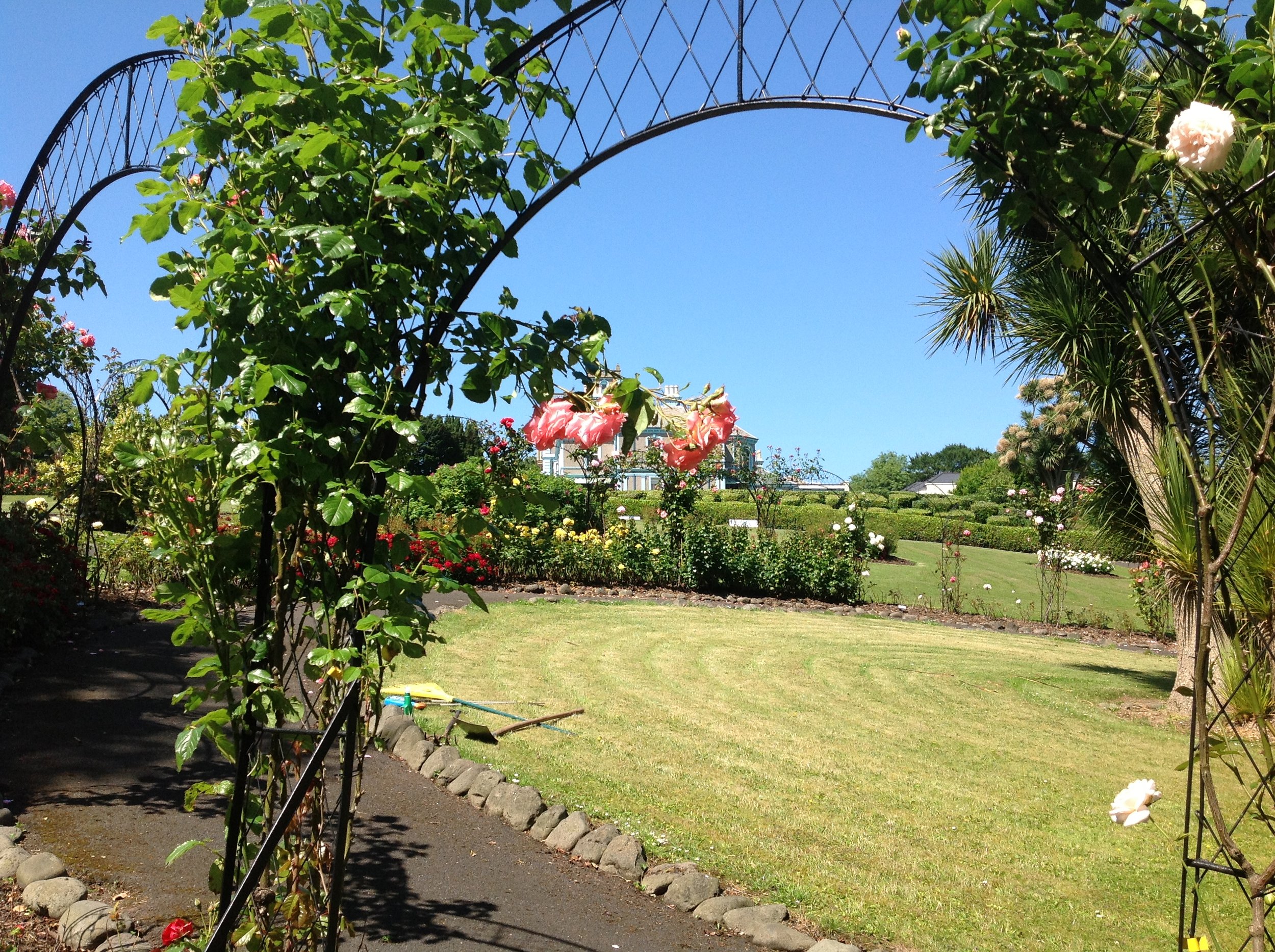
Dividing the two middle level terraces from the rose garden is a sloping bank enclosed by a hedge of clipped griselinia littoralis. To the east there is a stone wall enclosing a shaded area which may once have been a fernery. Further to the north east there is a small pond and waterfall. The rose garden is flanked on the west by a woodland area with a good variety of trees including the catalpha, walnut, various acers and oaks, specimen griselinias, crinodendron and numerous cordylines. All of these are subject to a Tree Preservation Order and most of the trees have been identified and tagged. The paths laid out in the 1980s provide an interesting walk and the woodland floor is covered in season with lesser celandine and wild garlic. Fungi like the giant puff-ball make their appearance in season and, since most of the woodland is left in its natural state, there is an abundance of wildlife, insects, birds, squirrels and foxes.
Restoration, Memory & the Spirit of Drumalis
The rose garden itself is entered by way of a second flight of steps with balustrading on either side and two impressive stone vases on piers at the top. One abiding memory that has come down through the years refers to that first impression on entering the rose garden in the height of summer. “The fragrance was overwhelming.” That memory goes back to the 1940s when pergolas, arches and beds were blooming vigorously, delighting all with a complete sensory experience, especially smell, sight and touch.
“A good example of a late Victorian layout” is how Drumalis garden is described in the Register of Historic Parks, Gardens and Demesnes Northern Ireland (1982). Drumalis House and Gardens were surveyed at that time by the garden historian Belinda Jupp. Some photos survive from this survey showing the rosebeds and arches in a rather dilapidated condition and a mention is made of a pergola along the downward path to the east, which has not survived. Over the years the arches were collapsing. The Lourdes grotto which had been added circa 1958 was crumbling due to the invasiveness of a covering of griselinia. So in 2006 discussions began as to how best to restore the rose garden, to bring it back to life. The challenge was to retain the original character, salvage what was recoverable and create a garden which could be maintained.
It has always been acknowledged that the grounds of Drumalis Retreat Centre, has provided generations of people to experience the calmness and beauty which is the essence of Drumalis – an oasis of peace on the journey of life. They have prayed and painted, danced and sung, laughed and cried and responded to the invitation that such a place offers.
To return to the garden is to stand still. To let the scales drop from our eyes and hearts and let flowers, herbs, birds, trees and earth itself welcome us... HOME".